Photographers Can Build Their Very Own Keychain Camera at Home
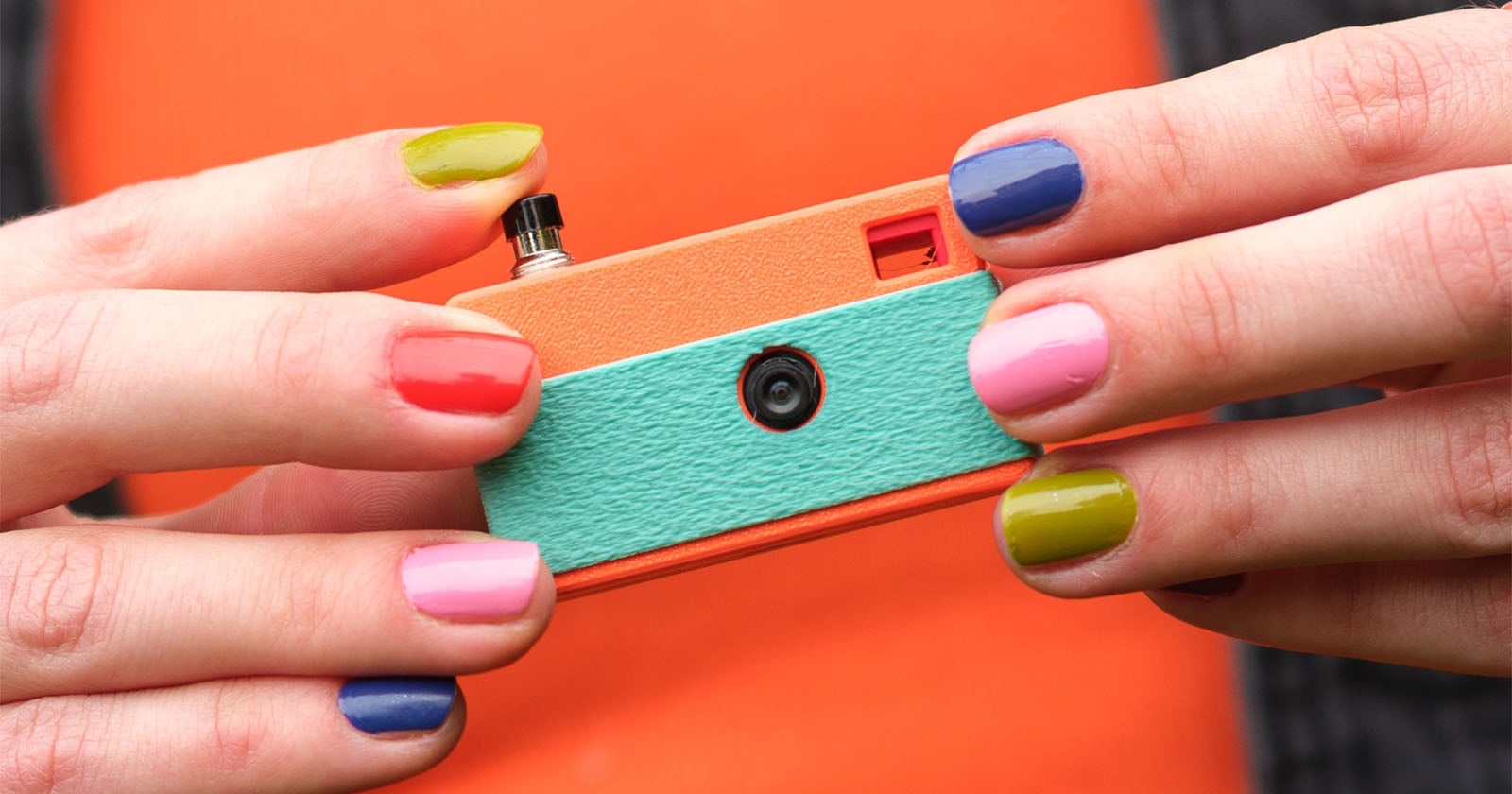
Keychain cameras are all the rage these days. After the success of the Kodak Charmera, it is of little surprise that other companies are getting in on the fun. What sets the new Keymera apart, though, is that it’s 3D-printable and can be built by photographers at home.
The fully functional 3D-printed camera is live now on the crowdfunding platform Maker World, having already reached its modest $1,500 funding goal thanks to 66 backers. With 28 days left in the campaign, there are still some stretch goals to meet, including files for printing a TLR-style shell and an upgraded companion phone app.
The Keymera’s core promise is simple: “It sleeps quietly on your keys, wakes when you press, saves the shot, and goes back to waiting.” It is designed to be a simple, compact companion camera for photographers to capture quick shots when out and about.
It is not made to be a full-fledged camera replacement. The specifications won’t knock anyone’s socks off, and as expected, the tiny Keymera has a small camera sensor and lens to match. The camera is super simple, comprising just five printed parts and four electronic components, including a 3-megapixel sensor.
“It’s a deliberately constrained camera in a moment when everyone is adding AI features to phones — fixed sensor, fixed firmware, no metadata harvesting, no account required to look at your own photos,” the Keymera’s designer, Matej Nahtigal, tells PetaPixel.
There are three different styles, and maybe a fourth if the stretch goal for the TLR-style design is met. There’s an SLR-inspired Keymera shell, a classic rangefinder-looking one, and a “playful” Instant camera-inspired one. All the styles share the same basic components, though, changing out only the outer shell and look.
The Keymera has a single button, a shutter release, that wakes up the camera and captures a photo with a single press. Holding down the button opens the camera’s Wi-Fi gallery, which connects the camera to the user’s phone and lets them browse and download photos directly from the Keymera in their phone’s file browser. There is no required app or account.
“Keymera clips to your keys, belt loop, bag or jacket pocket. Most of the time it sleeps quietly,” the company explains. “When something happens, it is already there.”
Keymera says the build is beginner-friendly. First, users choose their design and print the shell with the filament of their choice. This takes about an hour. Next, builders wire the Keymera’s four components, including the microcontroller, battery, button, and LED status. Each backer tier on Maker World, which starts at $10 for early birds, includes a detailed bill of materials and where to get them. A basic soldering iron is required; otherwise, no special tools are needed to build the Keymera.
Once the camera is printed and the single electronics stack is wired up, it’s time to flash the hardware using the supplied source files and then press all the parts together, no screws or glue required. Throw in a microSD card, and Keymera photographers are off and running. Keymera believes total novices can print and build the camera in two hours.
The Keymera is available to back on Maker World now, with tiers starting at $10 for early birds and $15 for regular backers. There is also a commercial license that is $99 for early birds and $149 for other backers. This enables people to get all the Keymera files and sell them commercially.
Disclaimer: Make sure you do your own research into any crowdfunding project you’re considering backing. While we aim to only share legitimate and trustworthy campaigns, there’s always a real chance that you can lose your money when backing any crowdfunded project. PetaPixel does not participate in any crowdfunding affiliate programs. Coverage of a Kickstarter campaign is not an endorsement of any campaign, company, or product.
To hold projects accountable, all crowdfunding campaigns on which PetaPixel reports are financially backed with the lowest tier option in order to give the publication visibility into all backer-only communications. If a campaign owner acts in a manner inconsistent with its promises, PetaPixel will share that information publicly.
Image credits: Keymera