Panasonic, Please Stop Removing Viewfinders
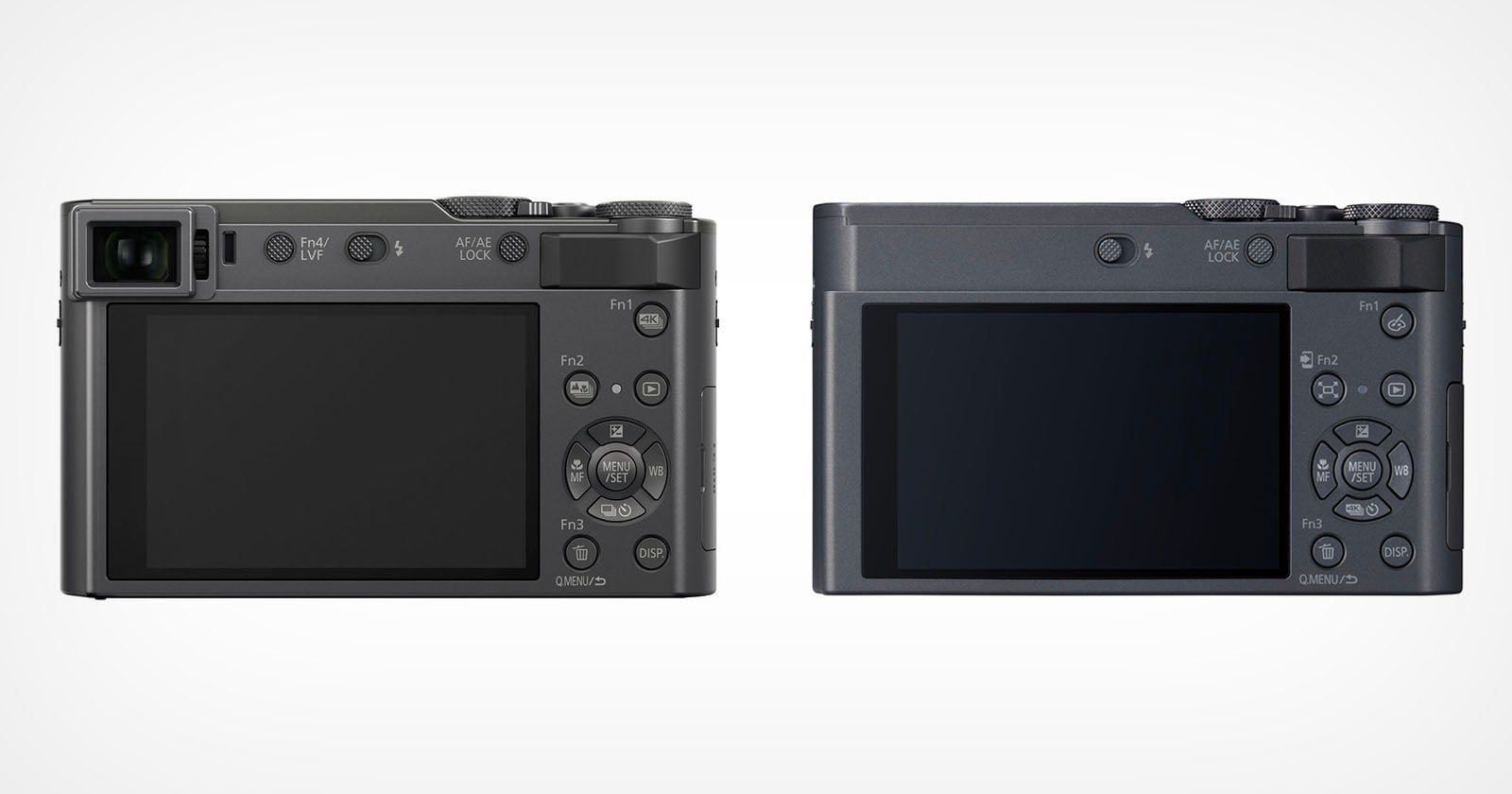
Earlier this week, Panasonic unveiled the Lumix ZS300, also known as the TZ300 in some markets. The new compact camera is nearly identical to its predecessor, released in early 2018, except for one big thing: the ZS200’s electronic viewfinder has been removed, replaced with nothing but more plastic. There are logical explanations for this, but they do little to stop me from disliking the change.
This is not the first time Panasonic has done this with a refreshed “new” compact camera. The company did the same thing in December 2024 when it announced the ZS99 (TZ99). This camera, a technical successor to the ZS80 and ZS80D models, was nearly identical to its predecessor, save for the electronic viewfinder, which was left on the cutting room floor.
There are still benefits to these new models. There is the move to USB-C required by EU law, which is convenient. Then there is the more important fact that the ZS99 and ZS300 are actively manufactured products, unlike their predecessors, which makes them more accessible to photographers today.
However, removing the EVF is undoubtedly disappointing and, in my opinion, significantly harms the user experience of the new compact cameras. Beyond the convenience and, I think, superior experience of shooting photos through a viewfinder, there is also stability to consider. The ZS99 has a 30x optical zoom, while the ZS300 sports a bigger sensor but shorter 15x zoom range. In either case, that’s a lot of zoom, and it’s much easier to keep things steady and well-framed at long focal lengths when holding the camera to your face than when holding it out in front of you at arm’s length. That’s just bad shooting technique.
As Chris Niccolls wrote of the ZS99’s lost viewfinder in PetaPixel‘s ZS99 review, he’s “sad to see it go.”
Niccolls also touched on something that I believe has allowed Panasonic to feel comfortable removing EVFs from its latest Lumix point-and-shoot cameras: user demand.
“I constantly hear that younger generations of photographers who are used to shooting phones at arm’s length don’t care about EVFs,” Niccolls writes, echoing sentiments I’ve also heard from camera makers. “But this doesn’t give new shooters enough credit.”
For photographers like me who have long used viewfinders, first optical ones on DSLRs and now high-res, bright, beautiful electronic ones on newer cameras, a new camera without a viewfinder is a nearly a nonstarter. I could be convinced to make an exception in certain cases. Even those who have never used them and thus seemingly don’t care about them may find that they are actually useful if given the opportunity to use a camera with an EVF.
Niccolls wondered whether he was out of touch when he criticized the ZS99’s lack of a viewfinder. It’s hard for me not to wonder the same thing after how frustrated the ZS300 made me earlier this week. But no, it’s the children who are wrong.
As much as I dislike a new camera model removing any of its predecessor’s features, especially a viewfinder, it is worthwhile to consider some possible reasons why Panasonic made this call and why it might make sense, even if it makes no sense to me.
Demand for pocket-friendly point-and-shoot cameras, like the Panasonic Lumix ZS80 and ZS200, has been increasing in recent years, to the point where these models sold out and were difficult to track down. This is not unique to Panasonic; compact cameras have had a big resurgence in recent years as photographers, especially those who have only used smartphones, have sought out cameras that can take better photos and offer a different, more enjoyable experience.
This resurgence has left nearly every major camera maker scrambling, as they had all, rightly, identified that smartphones were killing the compact camera market.
But suddenly, driven primarily by younger users who learned to love photography on their phones but wanted a “real” camera, there was fresh demand but no supply. Making new point-and-shoot cameras, or even more of older models, isn’t as easy as flipping a switch, especially for older models that don’t comply with current laws on wireless communications or USB-C charging. This puts manufacturers, Panasonic included, in a tough spot.
On the one hand, what company doesn’t want to sell more cameras and make more money? On the other hand, what if you invest the time and, more importantly, money in the compact camera market and it turns out it was just a short-lived fad? By the time manufacturing has spooled back up, the craze has died, and now you have the same problem you had not very long ago, unsold compact cameras. There’s a reason Canon is approaching its return to the compact camera market with significant caution.
There are a couple of big ways to mitigate the risk of failure with a new compact camera, and I think Panasonic has likely engaged with both. One way is to reduce the production costs to create a larger safety net.
Another is to carefully examine the new compact camera market and see how it differs from the one 10-plus years ago in terms of user preferences. Do people buying point-and-shoot cameras in 2026 care about the same features as those in 2006 or even 2016? Maybe not. Probably not, if Panasonic’s choices are to be given the benefit of any lingering doubts.
Most of us here at PetaPixel care about an EVF. However, I don’t think the ZS99 and ZS300 are actually for us at all. That’s fine, but it’s still disappointing. More importantly, I wish Panasonic could find a way to meet all its objectives with the ZS99 and Z300 while still keeping the EVF around.
Without the EVF, the cameras strike me as a bit of a cash grab; a conservative, overly safe attempt to capitalize on a compact camera boom without taking on the risks necessary for something truly innovative or interesting. The ZS99 and ZS300 may even prove successful products from a commercial perspective and even appeal to many prospective compact camera buyers, but from where I’m sitting, they are missed opportunities.
That said, Panasonic makes plenty of products for dedicated, serious photographers, amateur and professional alike, and the ZS99 and ZS300’s existence doesn’t necessarily preclude the company from making compact cameras built for more traditional photographers. The ZS99 and ZS300 just ain’t it, but maybe something else will be. I hope so.