How AI Changes Canon's Approach to Camera Tech and Performance
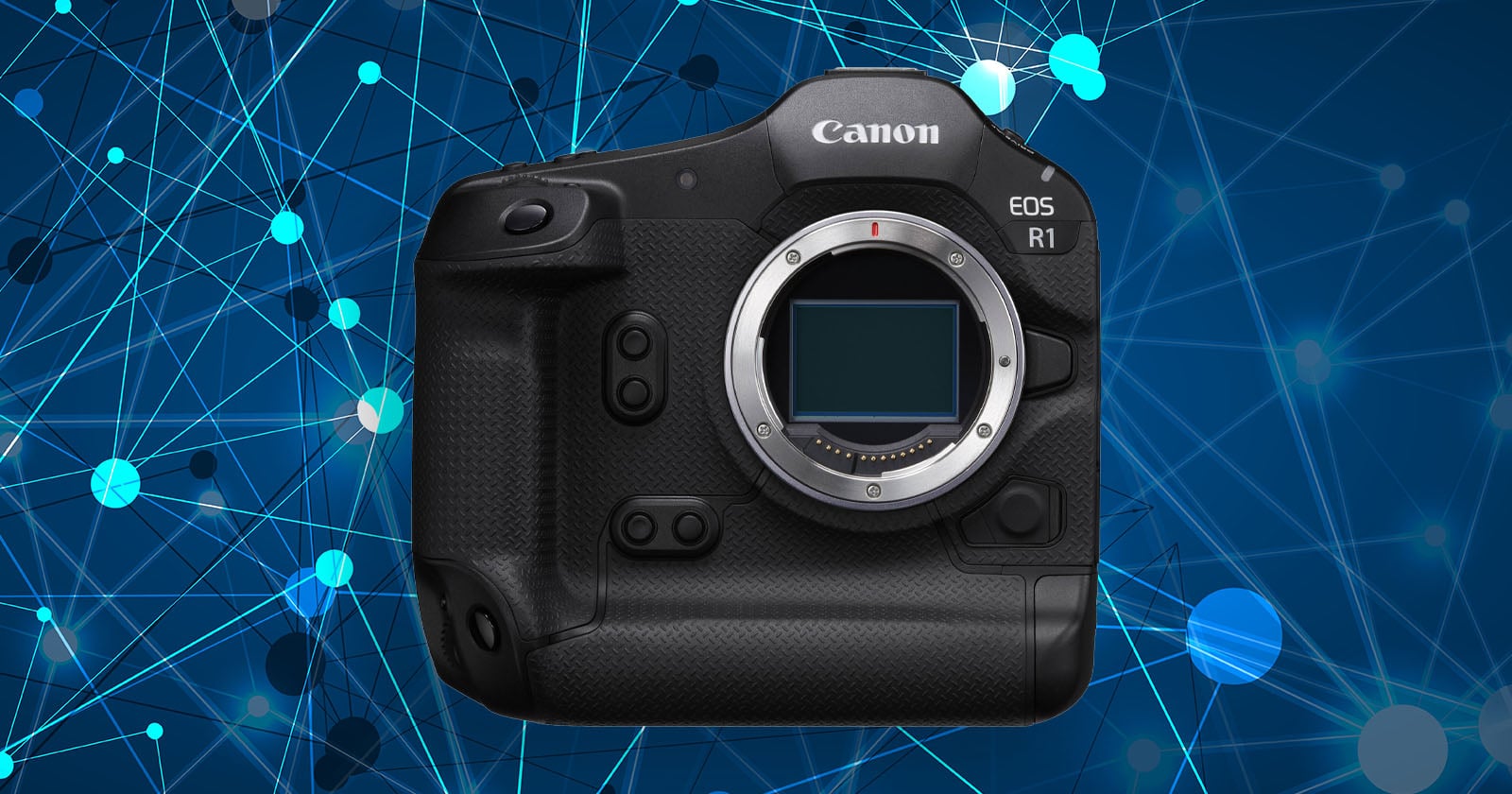
Photographers often feel like certain camera technology has plateaued. Sure, sensors get a little better, autofocus improves with each generation, and cameras are faster than ever. However, camera tech rarely improves by leaps and bounds like it once did. Canon believes AI may fuel many of the biggest camera tech breakthroughs in the coming years.
Speaking to PetaPixel at CP+ 2026, Canon admitted that while it cannot discuss specific future technology or products, it can discuss broader trends in camera technology in detail, and how artificial intelligence (AI) and deep learning may drive significant improvements in photographic tools.
Photographers have seen AI just about everywhere. For better, like in the case of subject-detection autofocus, or worse, such as with generative AI stealing photographers’ jobs, AI is a huge part of digital photography these days.
For Canon’s part, it thinks AI will be an essential part of improving camera technology in the coming years. PetaPixel recently warned about how badly AI in cameras could go, but Canon believes in its potential.
“Of course, innovations such as high image quality, high sensitivity, and high speed will continue to emerge going forward,” said Go Tokura, Executive Vice President, Head of Imaging Group.
“I would like to mention deep learning technology, or AI. For example, subject tracking or subject detection as well as the performance of image processing are advancing as we speak. From input to output, the entire creative activity needs to be supported and the technology to support that will need to be developed as well,” Tokura expanded.
Some of the technology Canon referenced is found in its latest cameras, including AI-assisted automatic white balance that uses subject recognition, AI-based noise reduction in its software, and AI-powered digital lens corrections that work alongside optical-based corrective measures to improve overall image quality.
There may also be an opportunity for Canon to implement AI-based image processing to deliver a stronger balance between resolution and speed. In its flagship 24-megapixel EOS R1, the company offers in-camera upscaling to deliver higher-resolution images. Canon believes the need for high-resolution cameras is quite high, but so too is the need for speed.
“We select the optimal sensors for each application,” Tokura explained. “If we can achieve both speed and high megapixels, then we may be able to release such products going forward.”
“Software can help to a degree,” Tokura added. “So right now it is possible for us to improve this area through deep learning technology. That’s our current approach. But of course, going forward, we will continue to enhance our lineup and therefore the future product could be something that is particularly good at high resolution and a high pixel count as well.”
Although photographers themselves may feel their hackles rise whenever the topic of AI comes up, with good reason, Canon has no intention of shying away from it. The company believes that AI-driven software can complement continuously advancing hardware and help bring out the best possible performance. Software has been an essential component of digital cameras and a significant driver of improved image quality and performance, and AI can, when used well, enhance camera software, especially in image processing.
Image credits: Canon. Header photo created using an asset licensed via Depositphotos.com.