Apple's Inspiring New Short Film Showcases iPhone's Accessibility
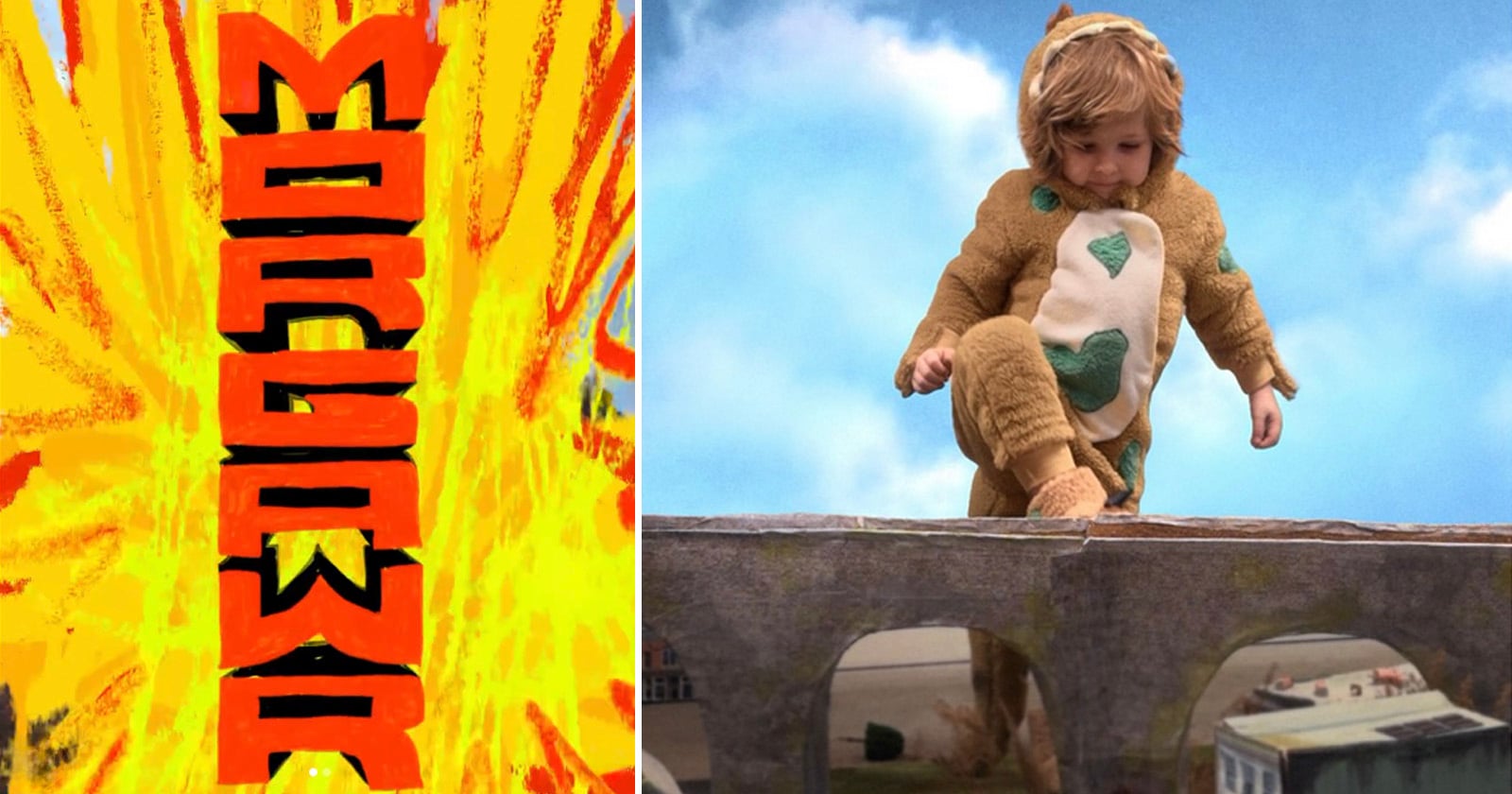
Apple has released a new short film on Instagram highlighting how accessibility and stabilization features in its latest smartphone are enabling filmmakers with physical challenges to create.
Commissioned by Apple, the short film “Morgawr” marks the return of Cornish filmmaker Brett Harvey, who had previously stopped filming due to tremors caused by Parkinson’s disease. The project was shot on the iPhone 17 Pro using Action mode, Apple’s advanced video stabilization feature, alongside Voice Control accessibility tools.
The film draws on Cornish folklore, bringing to life Morgawr, a legendary sea creature said to haunt the Cornish coast. Through its imagery and narrative, Harvey adapts his filmmaking process to new physical realities while engaging with a myth rooted in his home region.
A post shared by apple (@apple)
This is not the first time Harvey has been featured in an Apple-commissioned film centered on accessibility. In 2025, Apple released “No Frame Missed,” a short documentary-style film that highlighted how the iPhone’s Action mode and Voice Control features empower individuals living with Parkinson’s disease to record meaningful moments despite tremors.
In “No Frame Missed,” Harvey, diagnosed with Parkinson’s at age 37, appears alongside others living with the condition, sharing how these tools enabled him to capture stable footage of his son’s first bike ride after years of finding traditional camera work challenging. That film was part of Apple’s broader messaging on inclusive design, positioning accessibility features not as narrow accommodations but as tools that expand creative possibilities for people with motor challenges.
The connection between “No Frame Missed” and “Morgawr” illustrates how assistive technology can evolve from enabling basic tasks to facilitating artistic expression. While “No Frame Missed” focused on lived experience and everyday moments, “Morgawr” explicitly brings those tools into the realm of creative filmmaking, allowing Harvey to explore narrative imagery and folklore through the iPhone lens.
Central to both projects is Action mode, which compensates for motion and shake during handheld filming. For Harvey, whose Parkinson’s-related tremors had forced him to step away from traditional camera work, the feature provided a technical solution that allowed him to resume shooting independently.
Voice Control accessibility features also play a key role, enabling hands-free device operation. Apple paired the “Morgawr” short with a behind-the-scenes featurette showing how these tools supported Harvey’s workflow and renewed confidence behind the camera. The supplementary footage emphasizes process as much as outcome, highlighting the intersection of assistive technology and creative expression.
Apple has also highlighted broader use cases for Voice Control for individuals with more advanced accessibility needs, such as those living with ALS, demonstrating how people are using Voice Control to fully operate iPhone functions, including video editing.
While “Morgawr” functions as a promotional showcase for the iPhone 17 Pro’s stabilization and accessibility tools, it also positions the device as a bridge back to creative practice for filmmakers adapting to physical limitations. The short underscores how mobile technology continues to reshape both production workflows and the accessibility of visual storytelling.
Image credits: Apple, Brett Harvey